Get Drain Field Installation
Drain field installation services help property owners set up proper wastewater dispersal systems to prevent backups, odors, and water contamination.
Property owners considering drain field installation often seek reliable local contractors to handle this important work. Proper planning and choosing the right service provider can help ensure the system functions effectively and meets the specific needs of the property. Exploring different options in the area allows for comparison of expertise, experience, and service quality, making it easier to find a solution that aligns with individual project requirements.
Whether updating an existing system or installing a new one, understanding the local landscape of contractors can support informed decision-making. By reviewing available service providers, property owners can identify experienced professionals capable of managing the complexities of drain field installation. Keep reading to learn more about how to connect with qualified local contractors who can assist with this essential project.
- Septic drain field installation - needed when a property requires a new or replacement septic system.
- Drain field repair services - necessary if existing drain fields are failing or causing drainage issues.
- Leach field installation - suitable for properties upgrading to a more efficient wastewater dispersal system.
- Soil testing and site assessment - important before installing a new drain field to ensure proper placement.
- Drain field expansion services - required when additional capacity is needed for growing property needs.
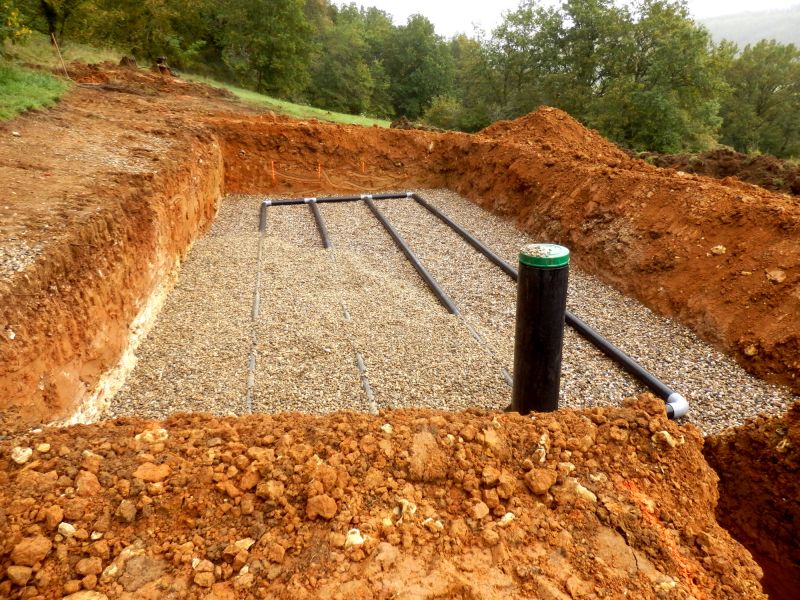
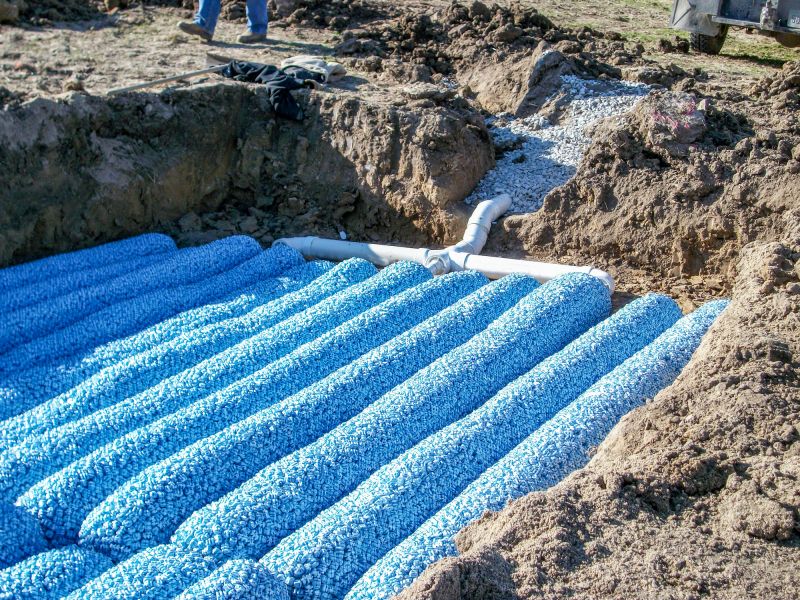
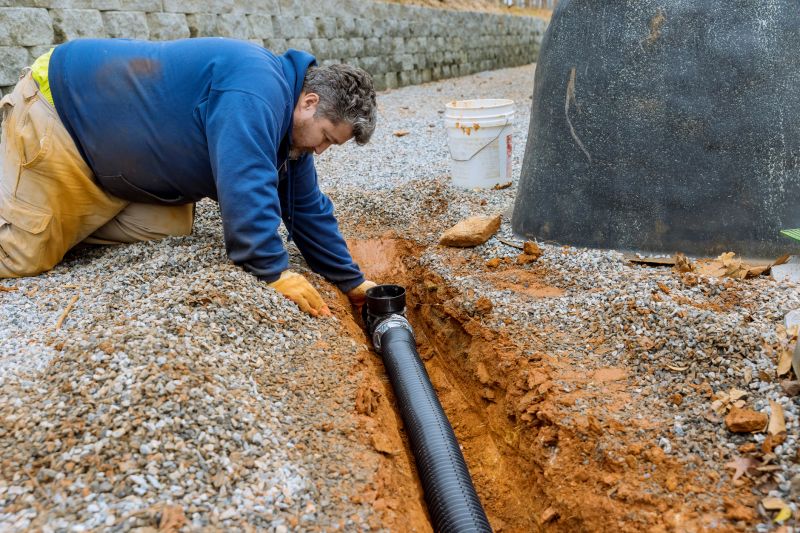
Drain field installation services involve designing and setting up a system that safely disperses wastewater from a home's septic tank into the ground. This process typically includes excavating the area, laying out drain pipes, and covering them with gravel or soil to ensure proper filtration and absorption. Proper installation is essential for ensuring that wastewater is treated effectively and that the property remains free from unpleasant odors or standing water. Local contractors experienced in drain field setup can evaluate a property's soil conditions and space to create an efficient and reliable system tailored to specific needs.
These services help solve common problems associated with septic systems, such as sewage backups, foul odors, or slow-draining sinks and toilets. When a septic system is not functioning correctly, it can lead to health hazards and property damage. Drain field installation is often necessary when existing systems fail or when properties are being built or renovated to include a septic setup. Properly installed drain fields prevent wastewater from surfacing or pooling, reducing the risk of contamination and ensuring that the septic system operates smoothly over time.
Drain field installation is typically needed for properties that rely on septic systems rather than municipal sewer connections. This includes rural homes, farms, and some suburban residences that are outside city sewer lines. Additionally, properties with larger land areas or those that have experienced issues with their existing drain fields may require new installations or upgrades. Local service providers can assess the specific property conditions to recommend the most suitable drainage solutions, helping homeowners maintain a healthy and functional septic system.
Choosing the right local contractors for drain field installation ensures that the system is correctly designed and installed to meet the property’s needs. Proper installation not only helps prevent future problems but also extends the lifespan of the septic system. Homeowners experiencing drainage issues or planning new construction should consider professional drain field services to ensure their wastewater management system functions effectively. Contacting experienced local providers can help find the best solutions for maintaining a safe and efficient septic system on any property.
The overview below groups typical Drain Field Installation projects into broad ranges so you can see how smaller, mid-sized, and larger jobs often compare in your area.
In many markets, a large share of routine jobs stays in the lower and middle ranges, while only a smaller percentage of projects moves into the highest bands when the work is more complex or site conditions are harder than average.
Smaller Repairs - Typical costs for minor drain field repairs or adjustments usually range from $250-$600. Many routine fixes fall within this middle band, depending on the extent of the work needed. Fewer projects tend to push into higher price ranges.
Partial Replacement - Replacing a section of a drain field can cost between $1,500 and $3,500. Larger, more involved projects may reach $4,000 or more, but most local contractors handle these within the mid-range estimates.
Full Drain Field Replacement - Complete replacement of a drain field often falls in the $4,000-$8,000 range. These larger projects are less common but can be necessary for extensive system failures or outdated installations.
Complex or Custom Installations - Highly complex or custom drain field installations can exceed $10,000, depending on site conditions and system size. Many standard projects are priced within the lower to mid-tier ranges, with fewer reaching the highest tiers.
Actual totals will depend on details like access to the work area, the scope of the project, and the materials selected, so use these as general starting points rather than exact figures.
Septic System Installation - installing septic systems involves planning, site assessment, and the use of similar excavation tools as drain field projects.
Soil Testing and Site Evaluation - assessing soil conditions and suitability for drainage solutions requires expertise in planning and understanding of subsurface characteristics.
Underground Utility Installation - laying underground pipes and utilities shares skills in trenching, equipment handling, and site preparation with drain field installation.
Drainage System Design - designing effective surface and subsurface drainage solutions involves similar planning and knowledge of soil and water flow management.
Water Line Installation - installing water supply lines involves excavation, pipe fitting, and adherence to site plans, paralleling drain field setup processes.
Landscape Drainage Solutions - creating landscape drainage systems such as French drains requires planning, trenching, and knowledge of water movement similar to drain fields.
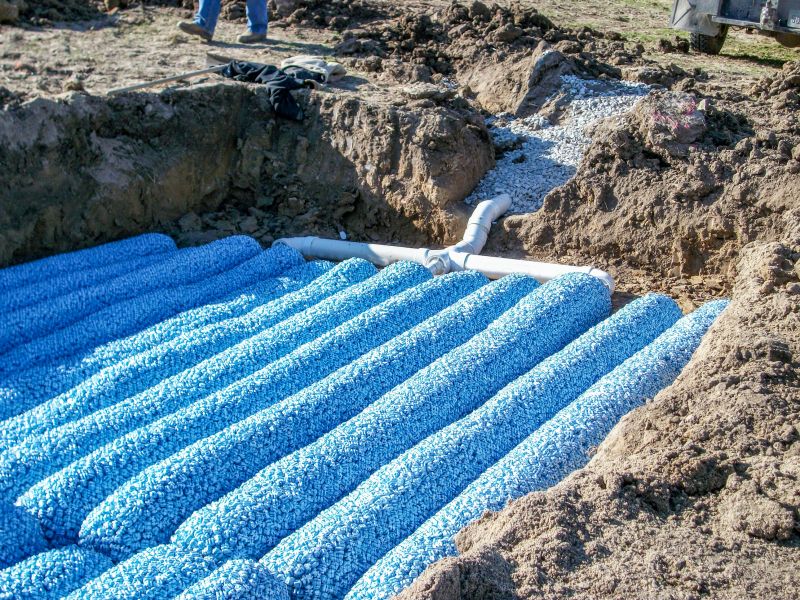
When comparing service providers for drain field installation, it’s important to consider their experience with similar projects. Homeowners should look for local contractors who have a proven track record of handling installations in settings comparable to their own property. An experienced professional will be familiar with common challenges and best practices, which can help ensure the job is completed efficiently and effectively. Asking about past projects or requesting examples of completed work can provide insight into their familiarity with drain field installations similar to what is needed.
Clear, written expectations are essential when evaluating potential service providers. Homeowners should seek detailed proposals or estimates that outline the scope of work, materials to be used, and any relevant procedures. This clarity helps prevent misunderstandings and provides a basis for comparing different options. Well-documented expectations also demonstrate that the contractor is organized and transparent, making it easier to assess their professionalism and level of preparedness for the project.
Reputable references and good communication are key factors in selecting a reliable local contractor. Homeowners can ask for references from previous clients who have had similar work done, gaining insight into the contractor’s reliability, quality of work, and professionalism. Additionally, effective communication-such as prompt responses to inquiries and clear explanations of the process-indicates a contractor’s commitment to customer service. While the site introduces homeowners to local options, it’s important to remember that the actual work will be performed by these experienced and reputable service providers, not the platform itself.
Property owners use Drain Field Installation services for practical projects around their homes and businesses. This guide focuses on everyday jobs and straightforward project options.
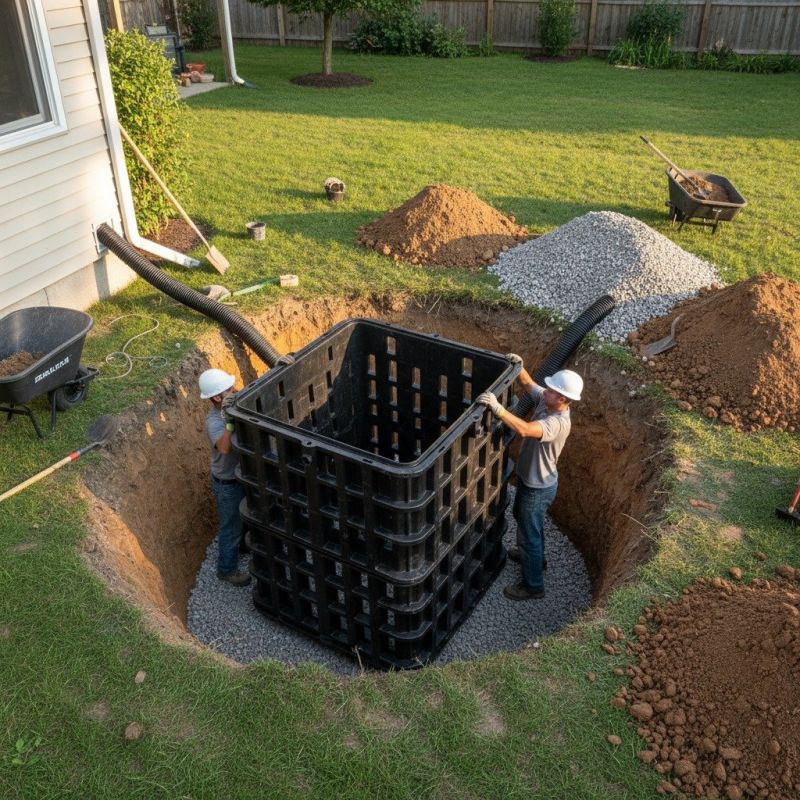
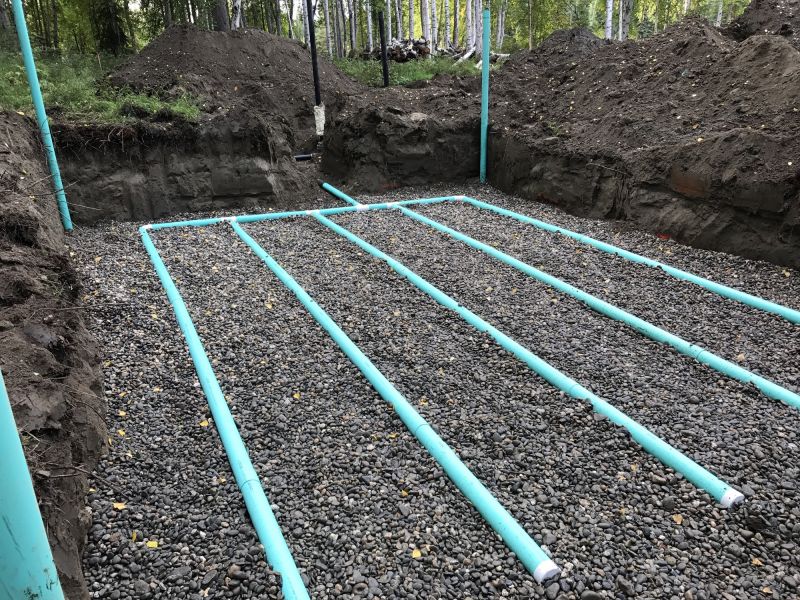
Drain field installation is a common project for property owners facing issues with wastewater management or looking to replace an aging system. Local contractors are often called upon when a drain field fails to drain properly, causing standing water or unpleasant odors, or when a new home or addition requires a reliable septic system. These service providers handle a variety of situations, including upgrading existing systems to meet current standards or installing new drain fields to ensure proper wastewater treatment and environmental safety.
Homeowners may also seek drain field installation services when planning property improvements that involve landscaping or construction, as a properly installed drain field is essential for preventing water damage and maintaining property value. Local contractors can assess the land, recommend suitable solutions, and handle the installation process to help ensure the system functions effectively for years to come.
What is a drain field installation? Drain field installation involves setting up a system that safely disperses wastewater from a septic tank into the ground, helping to treat and dispose of sewage effectively.
Why is proper drain field installation important? Proper installation ensures the septic system functions correctly, prevents backups or leaks, and helps protect the surrounding environment.
What types of drain field systems do local contractors install? Local service providers typically install various systems, including conventional gravel and pipe setups, chamber systems, and alternative drain field designs tailored to property needs.
How do local contractors determine the right drain field size? They assess factors such as property size, soil type, and household water usage to determine an appropriate drain field size and configuration.
What should be considered before installing a drain field? Factors like soil absorption capacity, property layout, and existing plumbing infrastructure are important considerations for a successful drain field installation.
Septic System Upgrades - Property owners can explore installing or upgrading drain fields to improve existing septic system performance and ensure proper wastewater management.
New Construction Drain Fields - Builders and homeowners planning new structures can use drain field installation services to set up effective wastewater disposal solutions from the start.
Soil Evaluation and Preparation - Property owners might use soil testing services to determine the best location for drain fields, ensuring proper drainage and system longevity.
Drain Field Repair and Maintenance - Those experiencing drainage issues can seek local contractors to repair or maintain existing drain fields for continued reliable operation.
If you are thinking about Drain Field Installation for a property, this guide is meant to help you understand the work, the typical project types, and how different options might fit your plans.
When you are ready, you can use the quote form on this page to share a few details about your project. From there, local pros can review the basics and respond with options that match what you have in mind.