Drain Field Replacement in Austin, TX
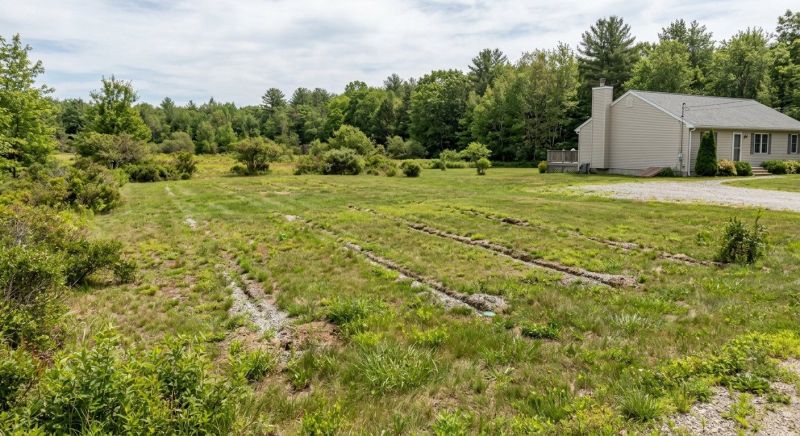
Drain field replacement involves removing an existing drain field system and installing a new one to ensure proper wastewater treatment and dispersal. This service is typically needed when the current drain field has failed due to issues such as soil saturation, system clogging, or age-related deterioration. Projects often include replacing failed drain lines, adjusting the layout to accommodate property changes, or upgrading to newer, more efficient systems to meet local health and environmental standards.
Property owners considering drain field replacement should understand the importance of site evaluation and soil testing before proceeding. It’s helpful to know the size of the property, the location of the existing system, and any potential restrictions or permits required by local regulations. Proper planning ensures the new system functions effectively, preventing future issues and maintaining the property's overall wastewater management.
Many property owners in Austin, TX look into Drain Field Replacement for repairs, replacements, upgrades, and appearance-related improvements.
Signs You Need A Drain Field Replacement
Persistent odors, soggy spots, or slow-draining fixtures may indicate a failing drain field.
What To Expect During Replacement
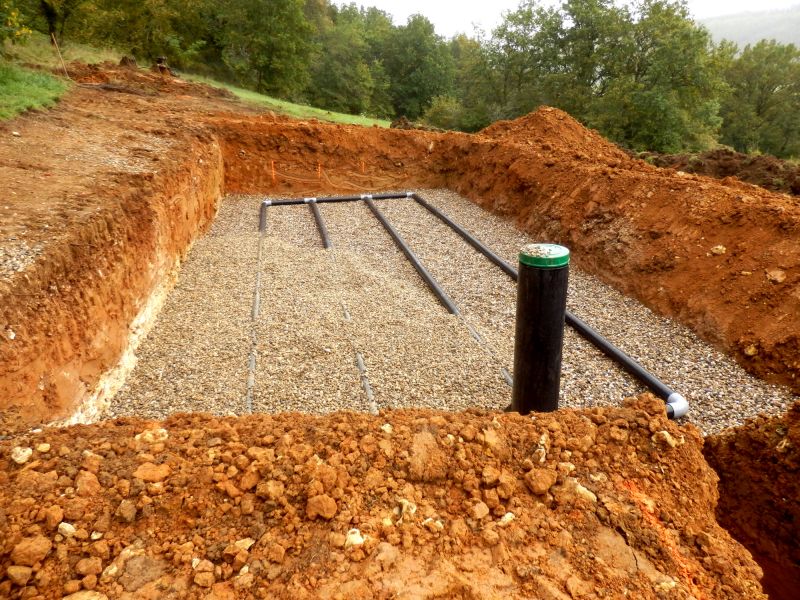
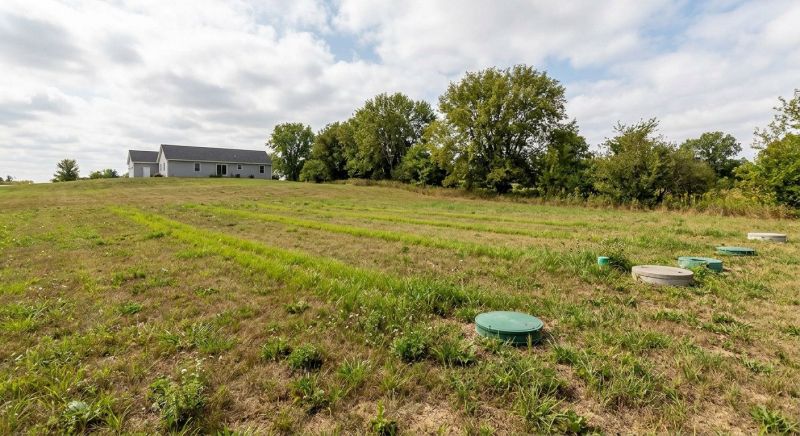
The process involves excavation, removal of the old system, and installation of a new drain field tailored to your property.
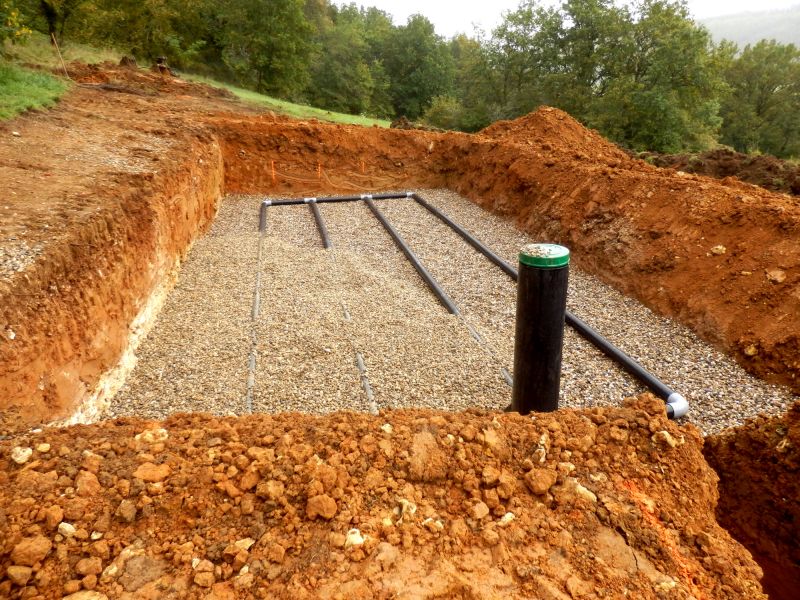
Benefits Of Replacing A Drain Field
A new drain field helps ensure proper wastewater management and prevents costly repairs down the line.
Drain Field Replacement in Austin, TX

Drain field replacement involves removing an existing drain field system and installing a new one to ensure proper wastewater treatment and dispersal. This service is typically needed when the current drain field has failed due to issues such as soil saturation, system clogging, or age-related deterioration. Projects often include replacing failed drain lines, adjusting the layout to accommodate property changes, or upgrading to newer, more efficient systems to meet local health and environmental standards.
Property owners considering drain field replacement should understand the importance of site evaluation and soil testing before proceeding. It’s helpful to know the size of the property, the location of the existing system, and any potential restrictions or permits required by local regulations. Proper planning ensures the new system functions effectively, preventing future issues and maintaining the property's overall wastewater management.
Many property owners in Austin, TX look into Drain Field Replacement for repairs, replacements, upgrades, and appearance-related improvements.
Common Drain Field Replacement Jobs
Drain field replacement involves removing and installing a new system to ensure proper wastewater flow.
Septic drain field repair addresses issues with failing systems to restore functionality.
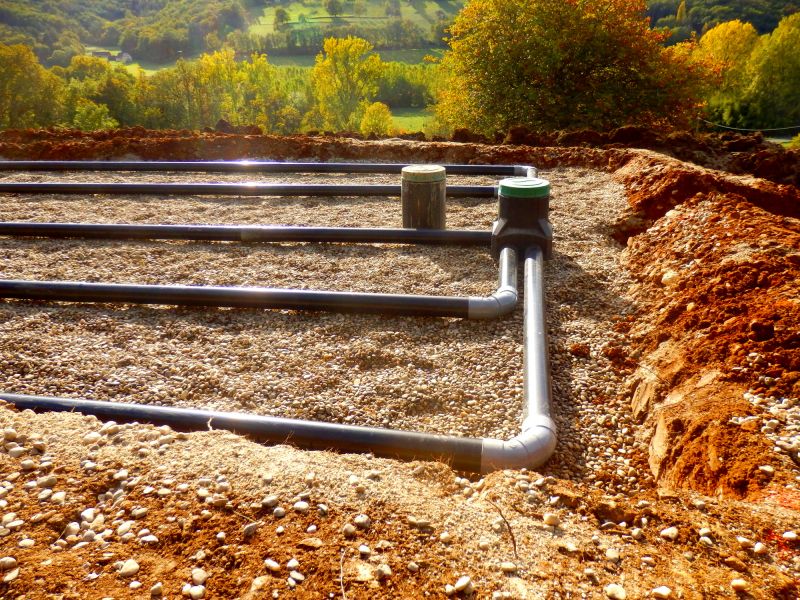
Leach field installation includes setting up new drain lines to prevent wastewater backups.
Septic system upgrade involves replacing aging drain fields to meet current standards.
Drain field troubleshooting identifies problems that require replacement or repair.
Replacement of damaged drain lines ensures efficient wastewater dispersal and prevents property damage.
Drain Field Replacement Questions
What causes a drain field to need replacement? Common causes include soil failure, excessive moisture, or damaged lines that prevent proper wastewater absorption.
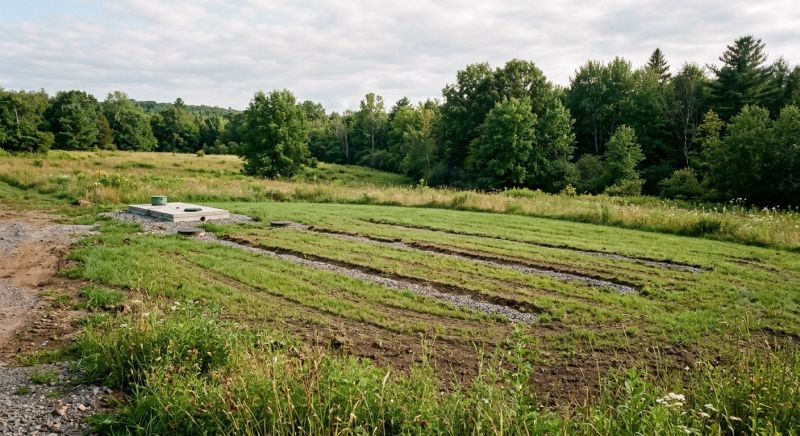
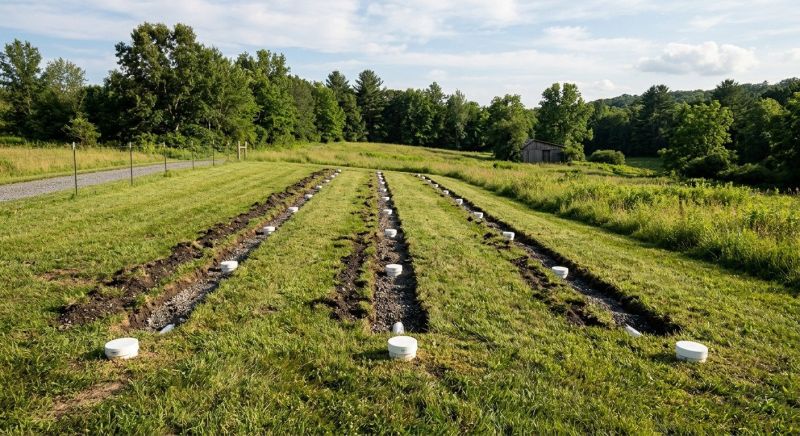
How can I tell if my drain field needs replacement? Signs include persistent odors, pooling water, or lush grass over the area, indicating drainage issues.
Is drain field replacement necessary for all septic system problems? Not always; some issues may be repairable, but extensive damage often requires replacement.
What should property owners consider before replacing a drain field? It's important to evaluate the site conditions and ensure proper planning for long-term functionality.
Request Drain Field Replacement in Austin, TX
Use the quote form on this page to share the basics of your project and request more information for the type of work you need.